Moving Antiques in Mayfair: Protecting Valuables on Move Day
Posted on 18/06/2026
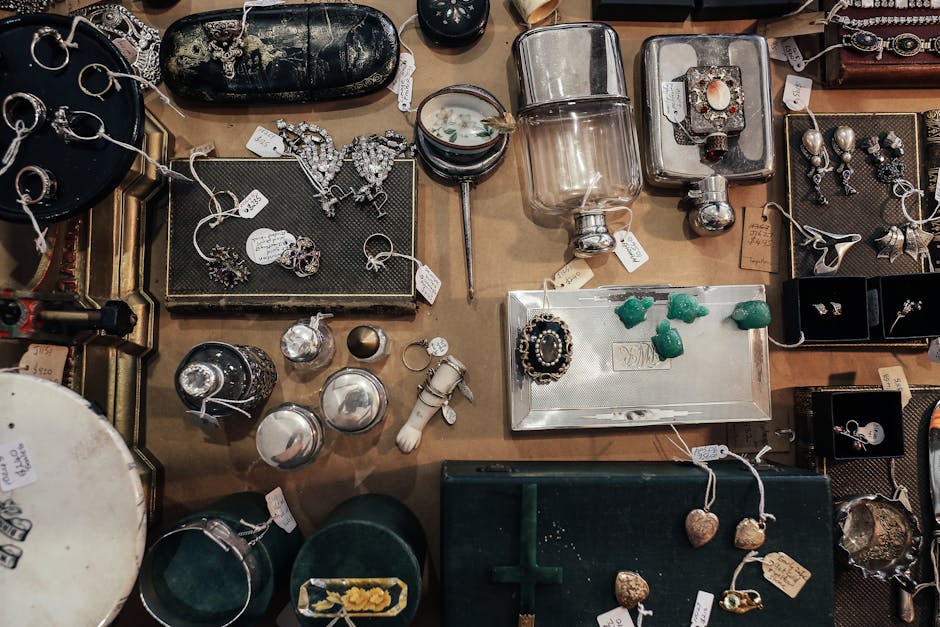
Moving antiques in Mayfair is one of those jobs that looks straightforward right up until the moment you lift the first piece. Then reality arrives: awkward staircases, tight hallways, polished surfaces, fragile joints, and the quiet panic of knowing one slip could turn a treasured object into a costly repair. If you are protecting valuables on move day, the difference is not luck. It is planning, the right packing method, and a calm, careful approach from start to finish.
Mayfair homes often contain more than everyday furniture. You may be moving a Georgian chest, a marble-topped console, a framed oil painting, or a family heirloom with sentimental value that cannot be replaced. This guide walks you through the practical steps, risks, and best practices so your antiques arrive safely, whether you are moving across the street or across London. And yes, the details matter. A lot.
For broader moving support, many readers also find it useful to review the full overview of removal services before deciding what level of help they need.
Why Moving Antiques in Mayfair: Protecting Valuables on Move Day Matters
Antiques are not simply old items. They are often delicate, irreplaceable, and structurally different from modern mass-produced furniture. Many were built with older joinery, natural materials, hand-finished surfaces, or decorative features that react badly to sudden movement, moisture, pressure, or vibration. In plain English: they can be tougher than they look, but they are rarely forgiving.
Mayfair adds another layer. Properties here often have narrow stairwells, split-level layouts, basement access, conservation-style interiors, or limited parking. A move day in this part of London can quickly become a logistics exercise as much as a lifting job. If you are dealing with a valuable sideboard or a gilded mirror, the risk is not just impact damage. It is also scuffing, edge chipping, snagging on bannisters, or exposure during loading while everyone is rushing.
There is also the emotional side. People underestimate this. If something has been in the family for decades, even a small scratch feels huge. You do not want to spend the afternoon hovering over a van door thinking, "I should have wrapped that differently." Better to prevent the worry than apologise for it later.
Expert summary: Antique moves succeed when packing, carrying, loading, and route planning are treated as one system. If one part is rushed, the whole job becomes fragile.
For residents who are planning a move within the area, it can help to read practical local context in local advice on residential life in Mayfair, especially if access and timing are already proving tricky.
How Moving Antiques in Mayfair: Protecting Valuables on Move Day Works
The process is less about brute force and more about control. The goal is to reduce movement, absorb shock, and avoid anything that can rub, twist, or press into the item. If that sounds obvious, fair enough - but the execution is where most problems begin.
1. Assess each item individually
Two antique chairs may need completely different handling. One might have sturdy joints and a hard finish. The other may have loose marquetry, fragile legs, or original upholstery that tears if it snags once. Before packing, identify the material, age, finish, stability, and weak points. Look under the item too. Hidden damage is common, and it is often where the trouble starts.
2. Choose the right packing method
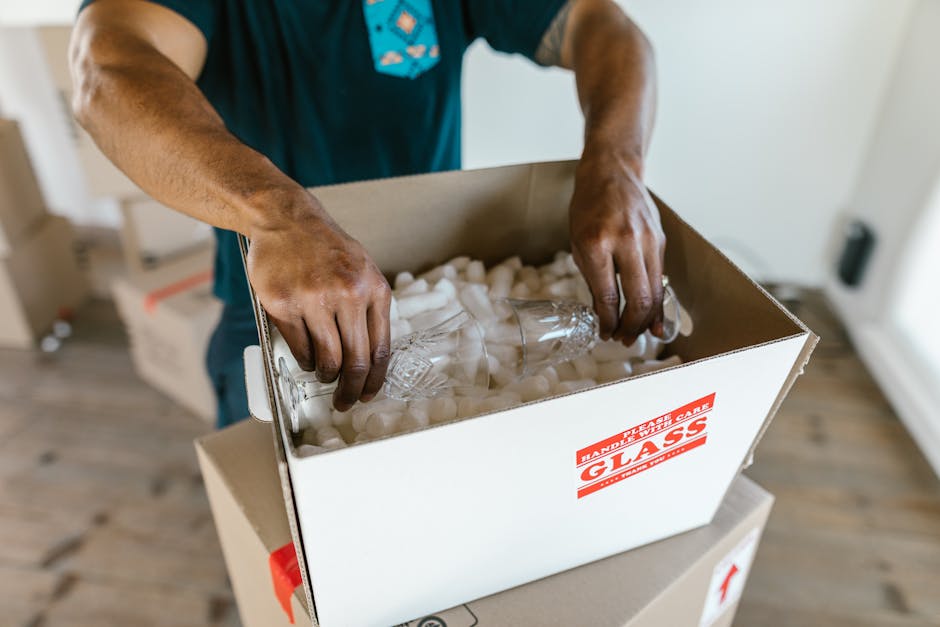
Some antiques need soft wrapping and rigid outer protection. Others need custom crating or at least corner reinforcement. Glass-fronted cabinets, mirrors, artwork, and ceramics benefit from layered protection: acid-free paper where appropriate, blankets or felt for cushioning, then a firm outer layer to stop compression.
3. Plan the path out of the property
Measure doorways, turns, stair landings, and lift openings. In Mayfair, this can make the difference between a smooth move and a sweaty ten-minute pause on the stairwell landing while everyone rethinks life. A quick route check saves a lot of grief. It really does.
4. Load in a stable sequence
Heavy items should not crush delicate ones. Soft items should not be used as padding unless they are genuinely suitable. Antiques need to be secured so they cannot slide, tilt, or bounce during transit. The van itself matters too: straps, blankets, and careful stacking all help. If you need a suitable vehicle, a properly equipped removal van in Mayfair is a sensible starting point for fragile or high-value goods.
5. Unload with the same care you used at the start
People often relax once the van arrives. That is when accidents happen. Cables, wet pavements, last-minute furniture shifts, and tired hands can create unnecessary risk. A good antique move finishes with the same discipline it started with.
Key Benefits and Practical Advantages
Protecting valuables properly is not only about avoiding damage. It makes the whole move calmer and more efficient.
- Lower risk of repair costs: A small chip can become an expensive restoration job.
- Less handling stress: Clear packing and labelling reduce confusion on move day.
- Better time control: When items are prepared properly, loading is smoother and faster.
- More confidence in transport: Stable packing reduces vibration and movement during the drive.
- Improved protection for surrounding items: Proper wrapping stops antiques from damaging walls, floors, and neighbouring furniture.
- Peace of mind: This may sound soft, but it matters. People move better when they are not worried every 30 seconds.
A practical side benefit is that proper preparation often makes unpacking easier too. If items are labelled clearly and grouped by room or fragility, you can settle into the new property without turning the hallway into a puzzle of wrapping paper and missing screws.
For homeowners moving larger or mixed household contents, it may be helpful to compare antique handling with furniture removals in Mayfair so you can separate standard pieces from those needing extra protection.
Who This Is For and When It Makes Sense
This approach makes sense if you are moving anything with real monetary or sentimental value, especially if it has one or more of the following characteristics:
- fragile joints or decorative elements
- original finishes that mark easily
- glass, marble, porcelain, or mirrored surfaces
- oversized frames or awkward shapes
- family heirloom status
- items that are difficult or impossible to replace
It is also relevant if you are moving in or out of a Mayfair flat, townhouse, or basement property where access is tight. A short move can still be a high-risk move if the route is awkward. The same applies if you are on a deadline and the process has to be done quickly but carefully. Speed without control is where things go sideways.
In some cases, this is not only for collectors or high-net-worth households. Plenty of ordinary London moves involve one beloved antique table or a pair of chairs inherited from a grandparent. That is enough reason to take the packing seriously. No one ever says, "It was only the sideboard," with a straight face.
If your move includes flats or smaller homes with restricted access, you may also want to look at flat removals in Mayfair, because stair and corridor planning is often half the battle.
Step-by-Step Guidance
Here is a practical way to handle antiques on move day without overcomplicating things.
- Make a room-by-room inventory. List every antique, note its condition, and take clear photos. Focus on existing chips, hairline cracks, loose fittings, and worn edges.
- Decide what needs specialist packing. Not every item needs a crate, but fragile or unusually shaped pieces often benefit from one. A mirror, for example, is not just a mirror when it has age, weight, and a brittle frame.
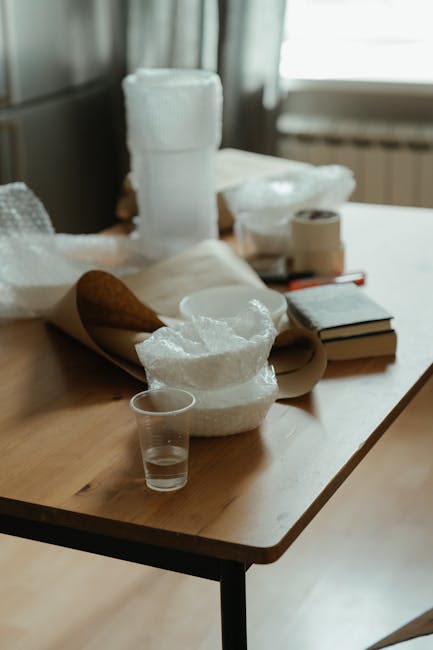
- Gather packing materials early. Use quality materials that suit the item. Soft blankets, bubble wrap where appropriate, cardboard edge protectors, sturdy tape, and boxes that do not collapse under pressure all matter.
- Disassemble only when it is safe. If a piece was designed to come apart, great. If not, forcing it is a bad idea. Remove loose shelves, keys, drawer contents, and detachable handles where sensible, then store the parts together.
- Wrap in layers. Place the softest layer against the surface, then add cushioning, then a secure outer layer. Do not press tape directly onto sensitive finishes. That is the sort of mistake that gets remembered.
- Label everything clearly. Mark the top, fragile sides, and destination room. If there are handling warnings, make them obvious.
- Load antiques after a route check. Keep them away from heavier items that could shift. Secure them so they cannot slide during braking or cornering.
- Unpack and inspect immediately. Check corners, legs, glazing, and joins before you sign off mentally and start thinking about where the kettle is.
One useful rule of thumb: if an item feels awkward to carry, it usually needs more protection than your first instinct suggests. Trust the feeling. It is there for a reason.
Expert Tips for Better Results
These are the small details that often separate a careful move from a merely adequate one.
Use breathable protection for delicate finishes
Some older surfaces do not enjoy being wrapped too tightly in non-breathable materials for long periods, especially if there is any residual moisture. A soft intermediate layer can help avoid trapped condensation or rubbing. Keep things snug, not sealed like a packet of biscuits.
Protect corners before anything else
Corners take the hits. On tables, cabinets, and frames, the corners are usually where knocks show first. Reinforce them early. It is a small job with a big payoff.
Keep hardware with the correct item
Loose screws, handles, fittings, and keys should be bagged and labelled with the right piece. Mixing them up is irritating at best and costly at worst.
Don't overload one person's arms
Antique moves are not a test of heroism. If an item is heavy, awkward, or precious enough to require both balance and care, use two people or proper lifting equipment. Slightly slower is usually much safer.
Factor in the building, not just the object
In Mayfair, some of the biggest risks come from the property itself. Tight corners, polished floors, older stair treads, and door surrounds can be unforgiving. Protect the route as well as the item.
On busy London days, planning timing matters too. Morning pickups can be easier on access and parking than later slots, depending on the street and building schedule. For a broader local view, this guide to the best times for removals in Mayfair can help you think through timing before you commit.
Common Mistakes to Avoid
Let's be honest, most antique damage comes from a fairly small number of predictable errors.
- Wrapping too loosely: If an item can move inside the wrapping, it will.
- Using the wrong tape: Direct tape on a finish can leave residue or marks.
- Ignoring hidden weakness: A piece that looks sturdy on the outside may have loose joints or old repairs.
- Forgetting to clear the route: One stray shoe, cable, or plant pot can cause a wobble at exactly the wrong moment.
- Stacking delicate items under heavier ones: Compression damage is sneaky and often not obvious until later.
- Skipping photos before the move: If you need to identify pre-existing marks, photos save arguments and confusion.
- Rushing because the van is waiting: The van can wait. The antique cannot be replaced.
A small but important point: do not assume a professional-looking item is automatically safe. Some antiques are surprisingly stable; others look robust but have delicate veneers, repaired legs, or brittle varnish. The only safe assumption is that each item deserves its own handling plan.
Tools, Resources and Recommendations
You do not need a warehouse of specialist kit, but having the right basics makes a real difference.
| Tool / Resource | Why it helps | Best for |
|---|---|---|
| Furniture blankets | Provide soft cushioning and reduce surface scuffs | Tables, cabinets, chairs, carved pieces |
| Corner protectors | Protect vulnerable edges from knocks | Frames, mirrors, boxes, polished furniture |
| Sturdy straps | Keep items still during transit | Large or top-heavy antiques |
| Labels and inventory notes | Keep track of each item and its room destination | Any move with several valuables |
| Custom crates | Add rigid protection for unusually fragile pieces | Artwork, glass, sculpture, rare items |
| Storage support | Helps if the new property is not ready yet | Staggered move-in dates, renovations |
If you need temporary holding space while staging a careful move, storage in Mayfair can be a practical option, especially where refurbishment or delayed keys are involved.
For packing supply needs, packing and boxes in Mayfair is also worth considering if you want proper materials rather than whatever is lying around in the utility cupboard. And truth be told, random supermarket boxes are not always the hero they think they are.
Law, Compliance, Standards, or Best Practice
When moving antiques in the UK, the main concerns are less about one single law and more about good handling practice, insurance awareness, and careful record-keeping. If an item is especially valuable, irreplaceable, or insurance-sensitive, it is sensible to check any documentation, valuations, or policy conditions before the move. That is not overcautious. It is sensible adult behaviour.
General best practice includes clear inventories, condition photos, honest communication about fragility, and safe lifting methods. Businesses handling moves should also operate with appropriate health and safety procedures and suitable transport precautions. If a mover has a formal health and safety policy and a clear approach to insurance and safety, that is a good sign they take risk control seriously.
For customer-facing trust details, it is also reasonable to review practical pages such as terms and conditions and payment and security before you confirm a booking. Clear expectations reduce disputes later, which is exactly what you want when valuables are involved.
If your move includes multiple phases, delays, or temporary storage, use plain, written notes about item condition and destination. Small paperwork habits save big headaches later. Boring? Maybe. Useful? Absolutely.
Options, Methods, or Comparison Table
Not every antique needs the same level of protection. The right choice depends on value, fragility, shape, and how much handling the item will face.
| Method | Best use | Pros | Limitations |
|---|---|---|---|
| Soft wrapping only | Sturdy antiques with durable finishes | Quick, lightweight, affordable | Limited impact protection |
| Layered blanket wrapping | Most wooden furniture and moderate-value items | Good cushioning and surface protection | Needs careful securing to avoid slipping |
| Corner-protected packing | Frames, cabinets, mirrors, fragile edges | Reduces the risk of chips and knocks | More setup time |
| Custom crating | Highly valuable or unusually fragile pieces | Best all-round rigidity and protection | Higher cost and more preparation |
| Professional removal handling | Complex moves, tight access, multiple valuables | Less manual stress, more control | Requires the right team and planning |
If you are deciding between a simple move and a more fully supported one, it can help to compare man and van services in Mayfair with more structured removal services in Mayfair. The best option is usually the one that matches the item, not the one that sounds easiest in the moment.
Case Study or Real-World Example
Picture a typical Mayfair move: a first-floor flat, an antique console table, two carved chairs, and a framed mirror that has lived above a fireplace for years. Nothing wildly dramatic. But the staircase is narrow, the hallway is lined with artwork, and the street outside has limited waiting space. The weather has that grey London look where everything feels just a little more slippery than it should.
In this kind of move, the successful approach is simple. The mirror is wrapped with protective layers and marked clearly. The console table has its legs checked and any loose fittings secured. Chairs are protected at the arms and corners. The route is cleared before lifting begins. The van is loaded with the mirror standing safely, not flat under weight. Everything is kept steady, and the team pauses rather than forcing a turn at the staircase landing. Small decisions. Big difference.
The move ends with a condition check on arrival, and the items are placed in the correct rooms without being dropped "just for now" in the hallway. That last part matters more than people think. Unpacking well is part of protecting valuables too.
If the property is a townhouse or larger home, a tailored approach like house removals in Mayfair may be more suitable than a minimal service, especially when antique furniture, artwork, and mixed household items are all moving together.
Practical Checklist
Use this checklist the day before and on move day itself.
- Photograph each antique from several angles
- Record existing marks, chips, and loose parts
- Measure doors, stairs, and tight corners
- Gather blankets, edge protectors, tape, labels, and sturdy boxes
- Remove loose contents and secure detachable pieces
- Wrap delicate surfaces without over-tightening
- Keep heavy items away from fragile ones
- Label items clearly with fragile warnings and destination rooms
- Check loading order before the first item is moved
- Inspect everything again on arrival before settling in
Quick reminder: if a piece looks awkward, treat it as awkward. That sounds obvious, but on move day obvious things get forgotten fast.
Conclusion
Moving antiques in Mayfair is really about respect: respect for the object, respect for the building, and respect for the process. When valuables are handled carefully, move day becomes much less stressful and far more predictable. That is especially important in a part of London where access can be tight, schedules can be unforgiving, and the items themselves may be unique.
Take the time to assess each piece, use the right materials, plan the route, and keep the handling calm. If you do that, you greatly reduce the chance of damage and make the whole move feel manageable rather than frantic. And honestly, a quiet, well-run move is far nicer than a heroic one.
If you are planning a valuable or complex move and want to talk through the best setup, get in touch with the Mayfair team here and ask what level of support fits your antiques, access, and timing.
Get a free quote today and see how much you can save.