W1J Removals: Parking & Access Advice for Mayfair Moves
Posted on 22/05/2026
W1J Removals: Parking & Access Advice for Mayfair Moves
Moving in Mayfair sounds glamorous until the practical side shows up: narrow streets, limited stopping space, building rules, concierge instructions, and the occasional van that seems to have nowhere sensible to stand. That is exactly why W1J removals: parking & access advice for Mayfair moves matters. If you plan the vehicle position, entrance route, timing, and building access properly, the move feels calmer from the first box to the last. If you do not, even a small flat move can turn into a long, awkward day. Truth be told, most delays in central London removals start with access, not with the packing.
This guide breaks down what to check before moving day, how local parking and access usually affect removals in W1J, and what good planning looks like in practice. You will also find a checklist, a comparison table, and some grounded tips from the kind of situations people actually run into in Mayfair-tight mews, basement flats, loading bays that need approval, and buildings where the lift is there, but not quite where you need it.

Why W1J Removals: Parking & Access Advice for Mayfair Moves Matters
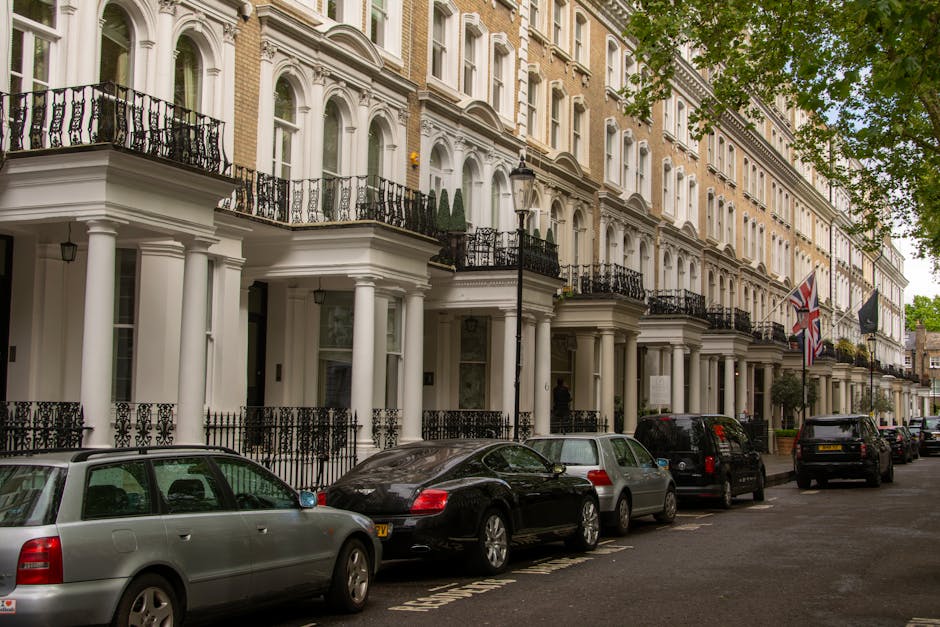
Mayfair is one of those areas where the map looks neat and the reality is a bit messier. Streets can be busy, parking can be tightly controlled, and many homes sit in properties with shared entrances, porters, basement steps, or restricted delivery windows. For removals, that means the difference between a smooth start and a frustrating one often comes down to how the vehicle can stop, how far the team must carry items, and whether the building will actually let the move happen at the chosen time.
Access matters because every extra metre between the van and the front door adds time, physical effort, and risk. That is especially true for heavy furniture, fragile items, and awkward pieces like mirrors, artwork, or upright instruments. If you are arranging a fuller move, it can be worth looking at specialist house removals in Mayfair or flat removals for Mayfair properties, because the access plan often shapes the whole moving schedule.
There is also a time cost. A van that has to circle the block twice, wait for a bay to clear, or stop around the corner instead of outside the entrance can lose valuable minutes quickly. And if the building management has a specific loading arrangement, missing that detail can create a bottleneck before the first box is even unloaded. Not ideal. Not even close.
If you want a broader view of the options available for the move itself, the site's services overview is a helpful starting point, and the core services section can help you match the job to the right support.
How W1J Removals: Parking & Access Advice for Mayfair Moves Works
In practice, parking and access advice for a Mayfair move is a planning process. It is less about one single rule and more about assembling the pieces that determine whether the van can stop safely and legally, whether the team can carry items efficiently, and whether the building is ready for arrival.
A good setup usually covers five things:
- Vehicle stopping point - where the van can load or unload without causing trouble.
- Route to the entrance - from roadside to door, and whether there are steps, gates, lifts, or narrow corridors.
- Timing - whether the building, street, or local traffic makes certain hours easier than others.
- Property rules - porter instructions, concierge booking, and any conditions from the managing agent.
- Item handling - whether bulky, fragile, or high-value items need extra care or specialist equipment.
For example, a second-floor flat with a decent lift can still be awkward if the lift is tiny or the entrance lobby is protected by tight turns. A townhouse can look more straightforward, but narrow staircases and on-street stopping restrictions may make it harder than it first appears. That is why local knowledge counts. If you are comparing service types, a man with a van in Mayfair may suit smaller, faster jobs, while a full team might be better for larger properties or tighter access.
It is also sensible to think about the whole journey, not just the doorway. If the van cannot stop near the building, the crew may need trolleys, extra carrying time, or a second parking arrangement. That can still work, but it needs planning. A little earlier preparation saves a lot of shuffling around later.
Key Benefits and Practical Advantages
Proper parking and access planning does more than prevent delays. It improves the quality of the move in ways people often notice only afterwards, once the dust has settled and the kettle is finally unpacked.
- Faster loading and unloading because the vehicle is placed closer to the property.
- Lower risk of damage when furniture is carried fewer steps and handled less often.
- Less stress for everyone because the day feels organised rather than improvised.
- Better safety for movers, residents, and pedestrians in a busy central London setting.
- Cleaner communication with building staff, neighbours, and anyone coordinating access.
There is also a subtle but important benefit: confidence. When the access plan is clear, you stop worrying about whether the van will fit, whether the street is too busy, or whether a porter will refuse access halfway through the morning. That matters more than people think. Moves are tiring enough already.
For readers preparing to store part of a move or stage belongings in phases, it can also help to review storage options in Mayfair. Sometimes the smartest access decision is not forcing everything into one day, but splitting the load in a way that fits the building and the street.
And if you want reassurance from previous customers before booking, the testimonials section offers useful social proof without the usual fluff. Nice to have, really.
Who This Is For and When It Makes Sense
This advice is useful for almost anyone moving in W1J, but it becomes especially valuable in certain situations:
- Flat moves with basement access, internal lifts, or controlled entry.
- House moves where street parking is limited or the home sits on a narrow road.
- Office relocations where loading times have to work around building rules and business hours.
- Furniture-only moves when a single large item needs careful vehicle positioning.
- Urgent or same-day moves where there is less room to correct mistakes.
- High-value or delicate moves involving pianos, antiques, artwork, or designer furniture.
If that sounds like your situation, you are probably already thinking about the practical details. Good instinct. A smaller move can still go wrong if the van cannot stop where it should. A larger move can go wrong even faster if the property access is not checked in advance.
For special handling, the right specialist service matters. Piano removals are a good example: the item itself is only part of the challenge, and the path to and from the vehicle can be just as important. For offices, office removals in Mayfair usually need an access plan that takes lifts, reception desks, and loading windows into account.
Step-by-Step Guidance
Here is a practical way to approach parking and access for a Mayfair move without overcomplicating it.
1. Check the exact property access
Start with the basics. Is there a front entrance, side entrance, loading bay, service lift, courtyard, or basement route? If you are not sure, ask the building manager or landlord. Photos help too. One quick picture of the entrance and nearby street can answer a lot of questions before moving day.
2. Identify the best stopping point for the van
Do not assume the nearest kerb space is the best one. Sometimes a spot a little further along the street works better because it avoids a tight turn, gives safer unloading space, or keeps the team away from heavy footfall. In some Mayfair streets, a few extra metres can make all the difference.
3. Confirm building rules and time windows
Many managed buildings prefer specific delivery times. Some require booking a lift, using a service entrance, or notifying the concierge in advance. If that sounds a bit bureaucratic, well, it is-but it is still worth doing. A missed rule can stop the move dead.
4. Match the service to the access conditions
A smaller move may work well with a man and van in Mayfair or a more flexible man with a van service. Larger homes, offices, or awkward access usually need a more structured team and vehicle setup. Choosing the right fit early avoids paying for capacity you do not need, or worse, not having enough capacity when the day arrives.
5. Prepare the route inside the property
Clear hallways, protect corners, and make sure door widths and stair turns have been considered. In older Mayfair buildings, the interior route can be just as tight as the street outside. A slim hallway with a hard right-angle turn can be the real bottleneck, not parking.
6. Plan for contingency
Ask yourself: what happens if the bay is occupied? What if the lift is unavailable? What if there is a temporary road restriction? Having a backup option avoids panic. Even a simple second parking idea can save a lot of time.
7. Confirm arrival details the day before
A quick check-in the evening before is worth its weight in gold. Reconfirm the move time, access instructions, contact number, and any building entry code. It sounds obvious, but people forget one small detail and then the whole morning starts with a scramble for keys.
Expert Tips for Better Results
These are the kinds of practical tips that tend to help in real Mayfair moves, especially where space is tight and timing matters.
- Take pictures of the access route before the move. Steps, gates, intercoms, and parking bays are easier to discuss with photos than by memory.
- Keep essential documents and keys separate so they are not packed away with general boxes.
- Use labels that mention destination rooms. It reduces the time spent hovering in the hallway deciding where each box goes.
- Leave a little breathing room around the entry point. Crowded doors slow everything down.
- Tell movers about fragile, heavy, or awkward items early. Don't leave the piano surprise until the lorry pulls up.
- Think about the weather. A wet pavement in central London can make carrying more awkward than you expect, especially if there are polished steps or narrow entrances.
One small but useful observation: if you are moving from a building with a concierge, a friendly five-minute conversation can often resolve more than three emails. The same goes for porters. People are usually more helpful when they know what is happening and when.
If you are moving belongings that need special wrapping or box selection, it can help to review packing and boxes in Mayfair. Good packing supports good access, because secure items are faster to handle and easier to stack in the van.
And for broader local advice, the Mayfair residential life guide gives useful context on what day-to-day living in the area can feel like. That context often helps people plan a move more realistically.

Common Mistakes to Avoid
Most access issues are avoidable. The trouble is, they tend to look minor right up until they become expensive or time-consuming. Here are the mistakes that crop up most often.
- Assuming kerb space will be free on the day.
- Not checking building rules about service entrances, lift bookings, or delivery hours.
- Underestimating walking distance from the van to the door.
- Ignoring stairs, thresholds, or tight corners inside the property.
- Booking the wrong vehicle size for the street and item volume.
- Leaving communication too late with concierges, neighbours, or agents.
- Forgetting backup plans in case access is blocked or delayed.
The biggest one? Treating access as a side issue rather than part of the move itself. In Mayfair, that approach can cost time, money, and patience. And let's face it, nobody wants to spend moving day negotiating with a traffic flow they should have planned around earlier.
If you are comparing providers, it is worth looking beyond the headline service and checking whether the company really understands local access conditions. A good starting point is the wider removal services in Mayfair page, which sits alongside practical options like removal van hire in Mayfair and area-specific moving support.
Tools, Resources and Recommendations
You do not need a complicated toolkit to plan a smarter move. What helps most is a short list of practical resources and a clear line of communication.
| Tool / Resource | What It Helps With | When to Use It |
|---|---|---|
| Property photos | Shows steps, entrances, and likely parking constraints | When you are unsure about access or want a quick quote |
| Building concierge or managing agent | Confirms lift bookings, entry rules, and loading windows | For flats, apartments, and managed blocks |
| Route planning apps | Helps avoid unexpected roadworks or closures | Before setting the move time and vehicle arrival |
| Inventory list | Shows item size and quantity, which affects vehicle and access planning | For any move with more than a few boxes |
| Packing materials | Protects items and makes handling faster | Several days before moving day, ideally not the night before |
As for recommendations, keep your communication simple and specific. Say where the van can stop if you know. Say whether there is a porter. Say whether the move includes a difficult item. A clear brief often saves more time than any clever workaround.
For readers who want to understand the broader service landscape, removals in Mayfair is a useful catch-all page, while removal companies in London can help with comparison if you are still deciding who to trust.
And if you are browsing the site for more moving advice, the blog section is worth a look. There is a decent amount there, and some of it is more practical than the usual moving advice you find online.
Law, Compliance, Standards, or Best Practice
Parking and access in central London can touch on local parking controls, building rules, and general road safety expectations. Rather than guessing, the safest approach is to treat official signage, local restrictions, and property instructions as the starting point. If there is a suspended bay, a no-stopping rule, a loading restriction, or a concierge requirement, it should be respected and planned around.
For removals teams, best practice usually includes:
- using legal parking or authorised loading arrangements wherever possible,
- protecting property and common areas during the move,
- working safely around pedestrians, residents, and traffic,
- communicating access risks clearly before the job starts,
- handling customer belongings in line with agreed care and insurance expectations.
If you want to review the company's approach to safe working and customer care, the health and safety policy and insurance and safety information are sensible pages to check. They are the kind of pages people often skip, then wish they had not. Same with the terms and conditions, which can answer practical questions about what is covered and how the service is expected to run.
For many customers, compliance is not about legal jargon. It is about confidence that the move will be managed properly, respectfully, and without shortcuts. That matters, especially in an area where shared entrances and careful property management are part of everyday life.
Options, Methods, or Comparison Table
Different kinds of moves need different approaches. Here is a simple comparison to help you judge what may suit your situation best.
| Approach | Best For | Strengths | Watch Outs |
|---|---|---|---|
| Man with a van | Small moves, lighter loads, flexible access | Quick, simple, often suitable for short-notice jobs | May be less suitable for large furniture volumes or tight building rules |
| Full removal team | House moves, larger flats, complicated access | More capacity, more coordination, better for heavy items | Needs better advance planning, and often a clearer booking window |
| Single-item specialist move | Pianos, antiques, oversized furniture | Focused handling and suitable equipment | Access must be checked carefully, especially stairs and turns |
| Staged move with storage | Complex handovers, delayed completion, renovations | Reduces pressure on the day and helps with timing gaps | Requires more planning and extra coordination |
There is no one perfect option for every Mayfair property. A compact flat with straightforward access may need something light and flexible. A larger townhouse or office, on the other hand, usually benefits from a more structured move with clearer loading arrangements and a proper crew. If you are unsure, it is better to talk through the access details than to guess and hope for the best. Hope is not a moving strategy, sadly.
Case Study or Real-World Example
Here is a realistic example based on the kind of move people often arrange in W1J.
A couple moved from a third-floor flat near a busy Mayfair street into a smaller apartment on a nearby mews. On paper, the journey was short. In reality, the old building had a narrow entrance, a lift that needed booking, and a loading area that was shared with other residents. The new building had better internal access, but the road outside was tighter than expected and stopping space was limited.
What made the difference was simple preparation. They sent photos of both entrances, confirmed the lift booking with the building manager, and agreed a morning slot that avoided the busiest part of the street. The van stopped a little further up the road than ideal, but the team knew this beforehand and planned the carry route accordingly. That meant no last-minute panic, no blocked doorway, and no awkward argument with a delivery driver trying to use the same space.
Were there still small hiccups? Of course. There usually are. A box of books was heavier than expected, and one lamp had to be rewrapped because the original sleeve was too thin. But the move stayed controlled, which is the real point. Smooth does not mean perfect. It means nothing important gets out of hand.
This is also why some residents read local move guides like the Berkeley Square move tips guide before booking. The streets may vary, but the lessons about timing, access, and clear coordination tend to hold up remarkably well.
Practical Checklist
Use this checklist before moving day. It is intentionally simple, because simple is what you can actually use when you are juggling keys, boxes, and one slightly anxious houseplant.
- Confirm the full move address and postcode.
- Check where the van can legally and safely stop.
- Ask about lift access, stair access, and any service entrance.
- Speak to the building manager, concierge, or landlord if applicable.
- Share photos of the entrance and street if the access is unusual.
- List heavy, fragile, or oversized items separately.
- Prepare parking or loading arrangements in advance where required.
- Check whether the move needs storage, extra packing help, or specialist handling.
- Keep phone numbers, keys, and building codes easy to reach.
- Reconfirm arrival time and instructions the day before.
Expert summary: In Mayfair, the best removals are rarely the fastest ones on paper. They are the ones where the parking is sensible, the access is understood, and everyone knows what happens if the street is not as friendly as hoped.
If you are ready to talk through the practical side of your move, including access details, vehicle choice, and timing, the simplest next step is to get in touch with the team and share your property information early. A short conversation now can save a much longer one later.
Get a free quote today and see how much you can save.
Conclusion
Mayfair moves are rarely difficult for one single reason. More often, they get tricky because several small access issues stack up at once: a tight street, a building rule, a lift booking, a missing parking plan, maybe a heavy item that needs a bit more room than expected. The good news is that these problems are usually manageable when you prepare for them early.
That is the real value of W1J removals parking and access advice. It turns a move from a hopeful guess into a planned job. You still have to deal with the usual moving-day chaos-there will always be a box in the wrong room, let's be honest-but the important parts will already be under control. And that makes everything feel easier, calmer, more human.
When the van is in the right place, the door is open, and the route is clear, moving in Mayfair becomes what it should be: practical, efficient, and maybe even a little satisfying.